

Services
Wind Damage and Lifted Shingle RepairBased in Dallas, TX
Wind rarely takes a shingle off. It breaks the seal and puts it back down.
Get a Free EstimateWind Damage
What this job involves, and what moves the price.
Every composition shingle is held down twice: by nails, and by a strip of factory adhesive that bonds it to the shingle below once the sun has warmed it. That seal strip is what makes a roof a continuous surface rather than a stack of loose tiles.
Wind attacks the seal, not the nails. A gust gets under the leading edge of a course, peels it up, breaks the adhesive bond and drops it back. From the street nothing has changed. What has changed is that the course is now loose, and the next moderate wind gets underneath it far more easily. Damage compounds storm on storm from an event nobody noticed.
Included Seal strips checked by hand along rakes, eaves and ridges · Creased shingles identified and replaced rather than resealed · Ridge cap and hip repair · Drip edge refastening · Documentation for a wind claim, dated to the storm

How It Works
Call or send the form
Say what you are seeing: a stain, a storm, missing shingles, or a roof you just want an opinion on.
Someone gets on the roof
And into the attic, because the underside of the decking tells you things the surface will not. The inspection is free.
Photographs and a scope
You cannot see your own roof, so you get pictures of what was found and a written scope before any number is agreed.
The work, then the sweep
A tear-off scatters nails across a property. The last job of the day is running a magnet over the drive, the lawn and the beds.
Before You Call
Wind Damage, answered.
How much wind does it take to damage a shingle roof?
Less than most people expect. Gusts in the 45 to 60 mph range are enough to break seal strips on an older or poorly sealed roof, and North Texas thunderstorm outflow reaches that regularly without anyone calling it a windstorm.
My shingles look fine after a storm. Could there still be damage?
Yes, and this is the normal case. A broken seal strip is invisible from the ground and from most of the roof. It is found by lifting shingles by hand along the edges and ridges.
What is a creased shingle?
A shingle that was folded back by wind and has a fracture line across it. The mat is broken, so it will not reseal and it will not weather properly. It gets replaced, and it is the clearest physical evidence in a wind claim.
Can lifted shingles just be sealed back down?
Where the shingle itself is undamaged, hand-sealing is a legitimate repair. Where it is creased or the mat is broken, sealing it down hides the damage for a season and no longer.

Why Homeowners Pick Us
Wind rarely takes a shingle off. It breaks the seal and lays it back down.
The roof looks untouched from the street and no longer resists the next gust. It is the damage most often missed on a walk-around and most often argued about afterwards.
Get a Free Estimate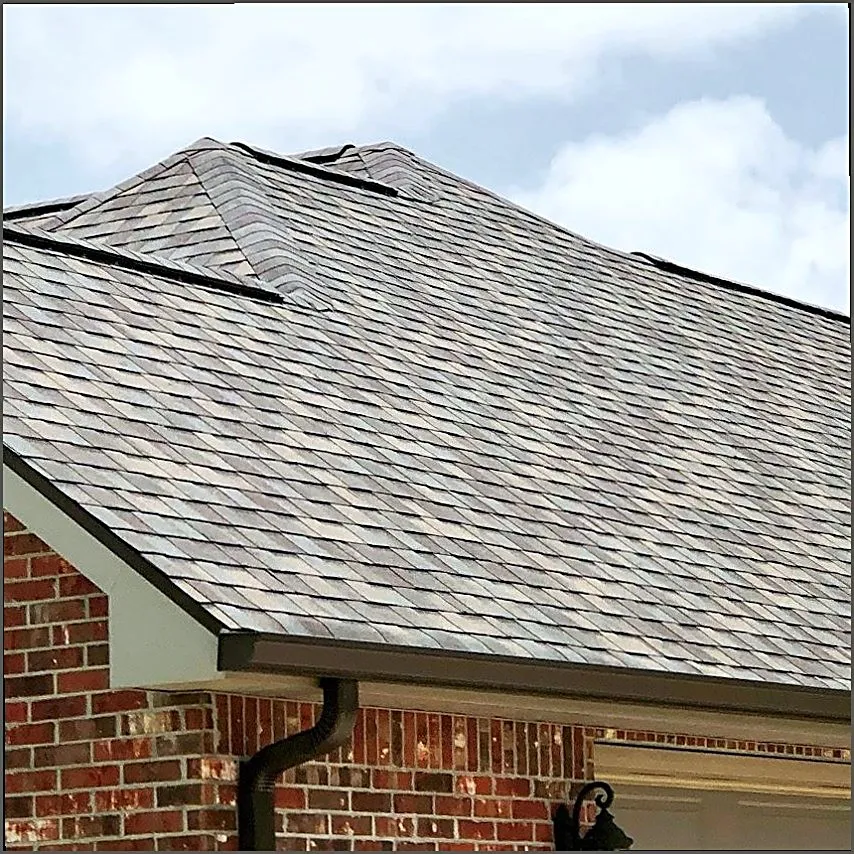
The Difference
The part that decides whether it lasts.
The tell on the roof itself is a crease: a horizontal fracture line across the shingle where it bent back on itself. A creased shingle has broken its mat and will not reseal, so it is replaced rather than pushed back down, and that distinction is often the whole argument in a wind claim.
Edges and ridges take it worst because that is where wind pressure concentrates. Rakes, eaves and ridge caps are where a wind inspection starts, along with checking whether the drip edge is still fastened, because a loose drip edge lets wind under the first course from below.
Get a Free EstimateMore from Chavez Family Roofing
Wind Damage
Wind Damage, handled from the first inspection to the final nail.
Let's Work Together
Find out what the roof actually needs.
Someone gets on the roof and into the attic, photographs what is there, and tells you what it needs. That costs nothing, including when the answer is nothing yet.
Chavez Family Roofing 3816 W Clarendon Dr, Dallas, TX 75211 (469) 780-8781